Delhi’s Air Pollution: GRAP Tackles Symptoms, Not Root Causes
Delhi, India’s bustling capital, regularly faces a silent and invisible crisis: severe air pollution. Each year, especially during the colder months, a thick, toxic haze descends upon the region, turning blue skies into a murky grey. This isn’t just an inconvenience; it’s a serious health emergency affecting millions, causing respiratory illnesses, heart problems, and countless […]
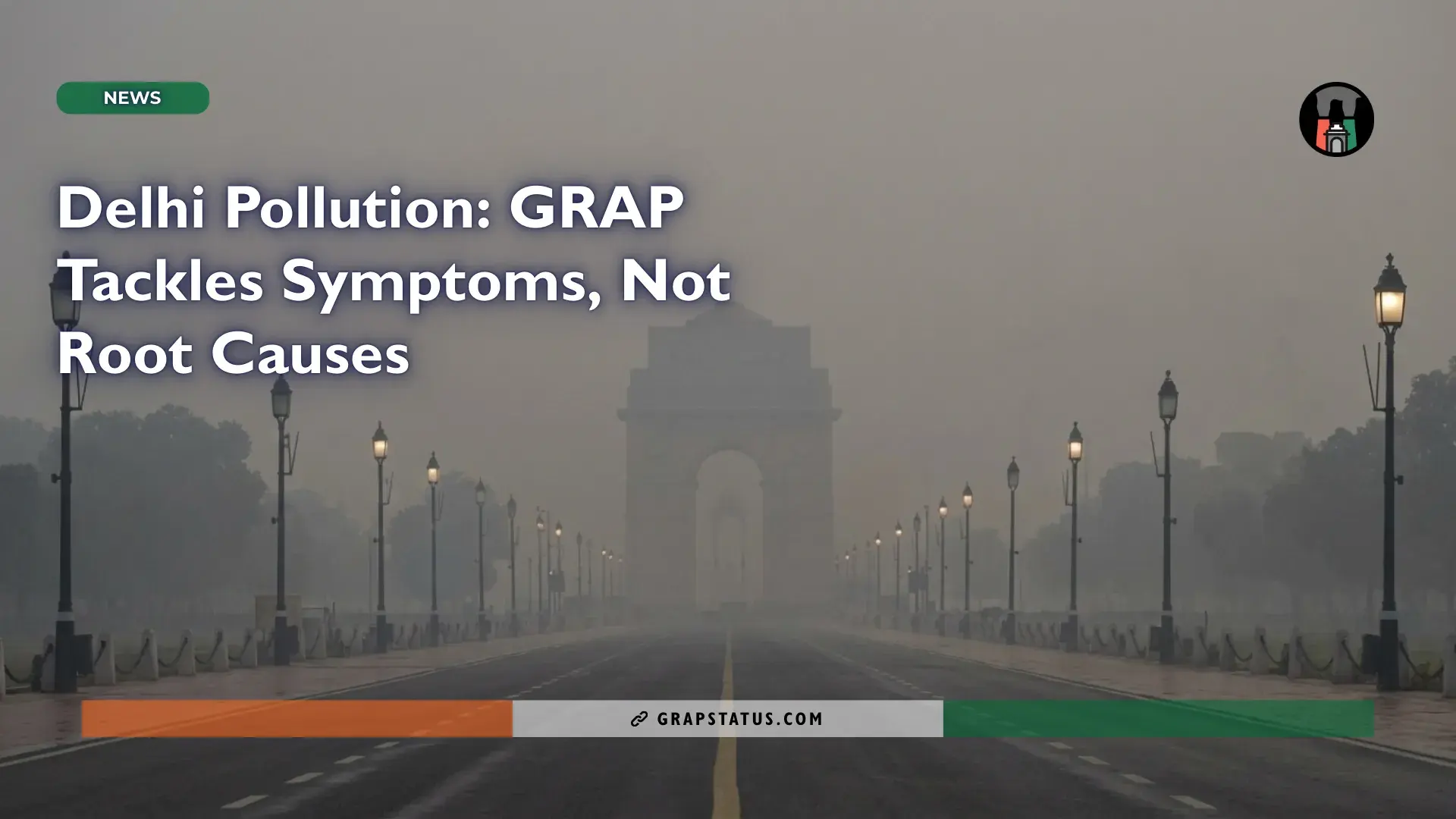
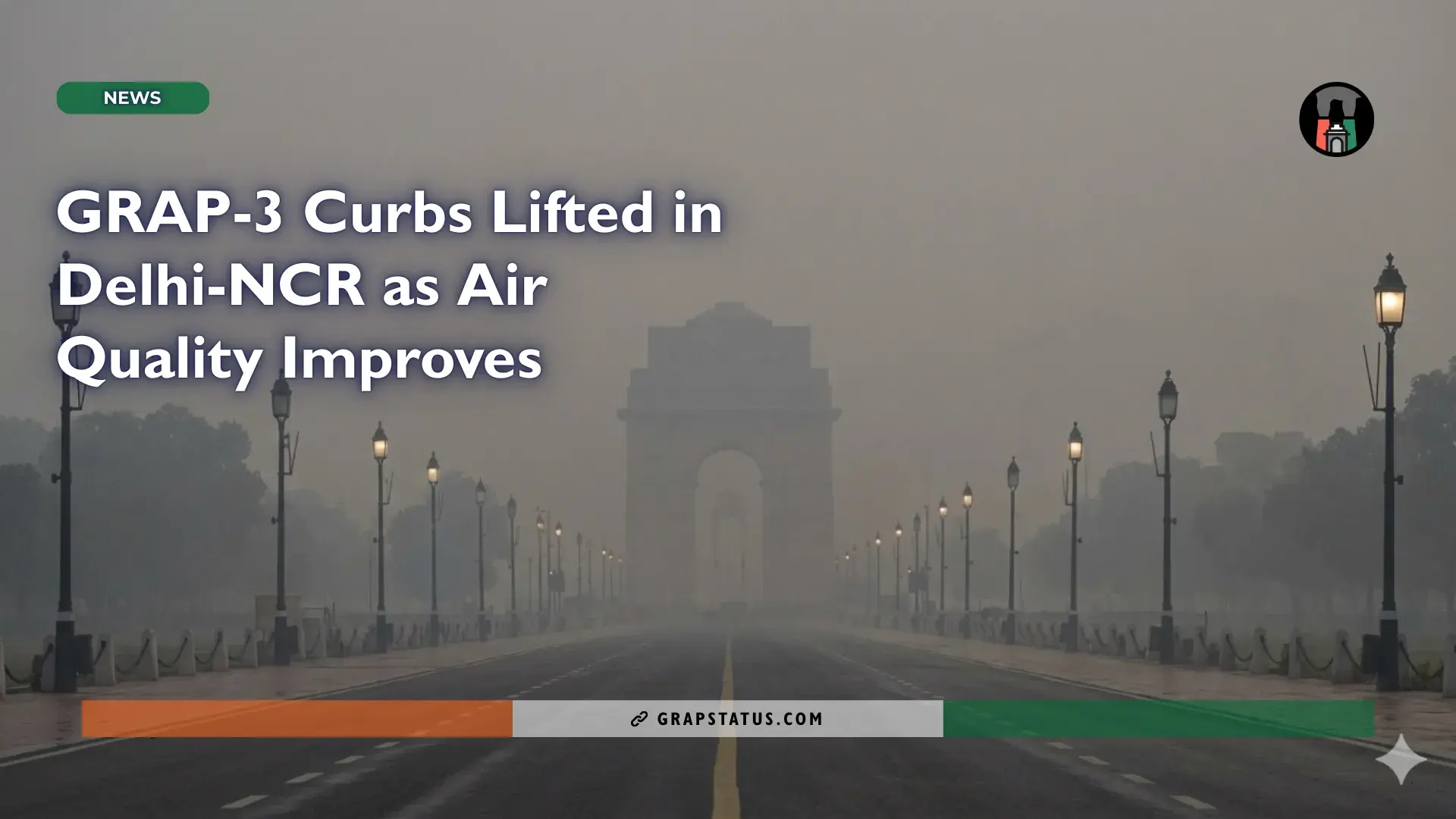
Delhi, India’s bustling capital, regularly faces a silent and invisible crisis: severe air pollution. Each year, especially during the colder months, a thick, toxic haze descends upon the region, turning blue skies into a murky grey. This isn’t just an inconvenience; it’s a serious health emergency affecting millions, causing respiratory illnesses, heart problems, and countless premature deaths. The air we breathe in Delhi NCR often becomes hazardous, making even simple outdoor activities risky.
The government and environmental bodies have introduced various measures to combat this persistent problem. Among the most prominent is the Graded Response Action Plan, or GRAP. This plan acts like an emergency brake, kicking in with specific actions when air quality worsens, aiming to stop the situation from getting even worse. It’s an important tool for immediate action and has become a familiar name in discussions about Delhi’s pollution fight.
While GRAP is crucial for managing immediate crisis, many experts and citizens believe it falls short of being a long-term solution. It often feels like treating the symptoms of a serious illness rather than curing the disease itself. By focusing mainly on temporary restrictions and reactive measures, GRAP might offer short-term relief, but it doesn’t always get to the core of what causes Delhi’s air to become so dangerous in the first place. This article explores GRAP’s role, its effectiveness, and why tackling the deep-rooted sources of pollution is essential for lasting change.
What is the Graded Response Action Plan (GRAP)?
The Graded Response Action Plan (GRAP) is a set of emergency measures designed to prevent air quality in the Delhi-National Capital Region (NCR) from worsening beyond critical levels. Think of it as an alert system with different stages, each triggering specific actions when pollution levels hit certain points. It was first put into action in 2017 by the Ministry of Environment, Forest and Climate Change, following a Supreme Court order. The main idea behind GRAP is to bring about coordinated action across various government agencies and states in the NCR to tackle air pollution.
The plan uses the Air Quality Index (AQI) as its primary guide. The AQI is a simple number that tells us how clean or polluted the air is and what health effects might be a concern. When the AQI rises to unhealthy levels, GRAP automatically activates its stages, moving from less strict to more severe measures as the pollution gets worse. This proactive approach aims to limit people’s exposure to harmful air and reduce the overall pollutant load in the atmosphere.
How does GRAP work at different stages?
GRAP operates through four main stages, each triggered by specific AQI ranges and bringing increasingly strict actions. Understanding these stages helps explain how the plan tries to control pollution surges:
Stage I: Poor (AQI 201-300)
When the air quality falls into the ‘Poor’ category, meaning the AQI is between 201 and 300, GRAP Stage I kicks in. This stage focuses on general awareness and initial restrictions. Measures include stricter enforcement of rules against garbage burning, mechanical sweeping of roads, and regular watering of main roads to reduce dust. The plan also asks agencies to ensure power plants meet emission standards and that industries use cleaner fuels. People are advised to use public transport more.
Stage II: Very Poor (AQI 301-400)
If the air quality worsens to ‘Very Poor,’ with an AQI between 301 and 400, more significant actions are taken under GRAP Stage II. This stage often involves banning the use of coal and wood in hotels, restaurants, and open eateries. Diesel generators, except for emergency services, are typically stopped. Parking fees are increased to discourage private vehicle use. Agencies are instructed to intensify road cleaning, use water sprinklers more often, and ensure brick kilns and hot mix plants not running on clean fuels are shut down.
Stage III: Severe (AQI 401-450)
When the AQI climbs to ‘Severe’ levels, between 401 and 450, GRAP Stage III introduces much tougher restrictions. This stage usually brings a ban on all non-essential construction and demolition activities across the NCR, including building homes and roads. Stone crushers are also stopped. Brick kilns, hot mix plants, and certain polluting industries that don’t run on clean fuels are closed down even if they have emission control systems. Trucks, except those carrying essential goods or electric/CNG vehicles, are generally not allowed to enter Delhi.
Stage IV: Severe+ (AQI above 450)
This is the highest and most critical stage of GRAP, activated when the AQI goes beyond 450, indicating ‘Severe Plus’ or ‘Emergency’ conditions. Stage IV triggers the most drastic measures. This can include a complete ban on all construction and demolition activities. Entry of all trucks into Delhi, except for essential services, is strictly prohibited. Polluting industries, even those using clean fuels, might be ordered to stop operations temporarily. The government might even consider implementing the ‘odd-even’ road rationing scheme for private vehicles or shutting down schools and colleges to protect children and reduce traffic.
Does GRAP make a real difference in Delhi’s air?
GRAP undoubtedly plays a vital role in the battle against Delhi’s air pollution. When the emergency plan is put into action, especially during its higher stages, there is often a noticeable, albeit temporary, improvement in air quality. The restrictions on certain activities like construction, industrial operations, and the entry of heavy vehicles do help reduce the immediate load of pollutants in the atmosphere. This short-term relief can prevent the situation from spiraling into an even deadlier crisis, offering some breathing room to the city’s residents.
For instance, when stubble burning peaks in neighboring states or when winter fog traps pollutants, GRAP acts as a necessary immediate response. By imposing bans on polluting activities, it aims to shave off the peaks of pollution, ensuring that the AQI doesn’t reach catastrophic levels that could overwhelm healthcare systems. It forces various agencies and states to coordinate their efforts, which is a significant step in itself for a problem that crosses administrative boundaries.
However, the impact of GRAP is largely reactive and short-lived. It acts more like a fire extinguisher for an active blaze rather than preventing the fire from starting in the first place. The measures taken are often temporary; once the air quality “improves” slightly, or the stage is downgraded, the banned activities often resume. This leads to a cycle where pollution levels dip during GRAP enforcement, only to rise again as soon as restrictions are eased. This cycle highlights GRAP’s role in tackling the symptoms of pollution – the visible haze and high AQI readings – without fundamentally altering the underlying conditions that cause the pollution year after year.
What are the main sources of Delhi’s severe air pollution?
To truly understand why GRAP only tackles symptoms, we need to look at the deep-seated causes of Delhi’s pollution. The air quality problem is complex, stemming from a mix of natural factors and human activities.
1. Vehicle Emissions
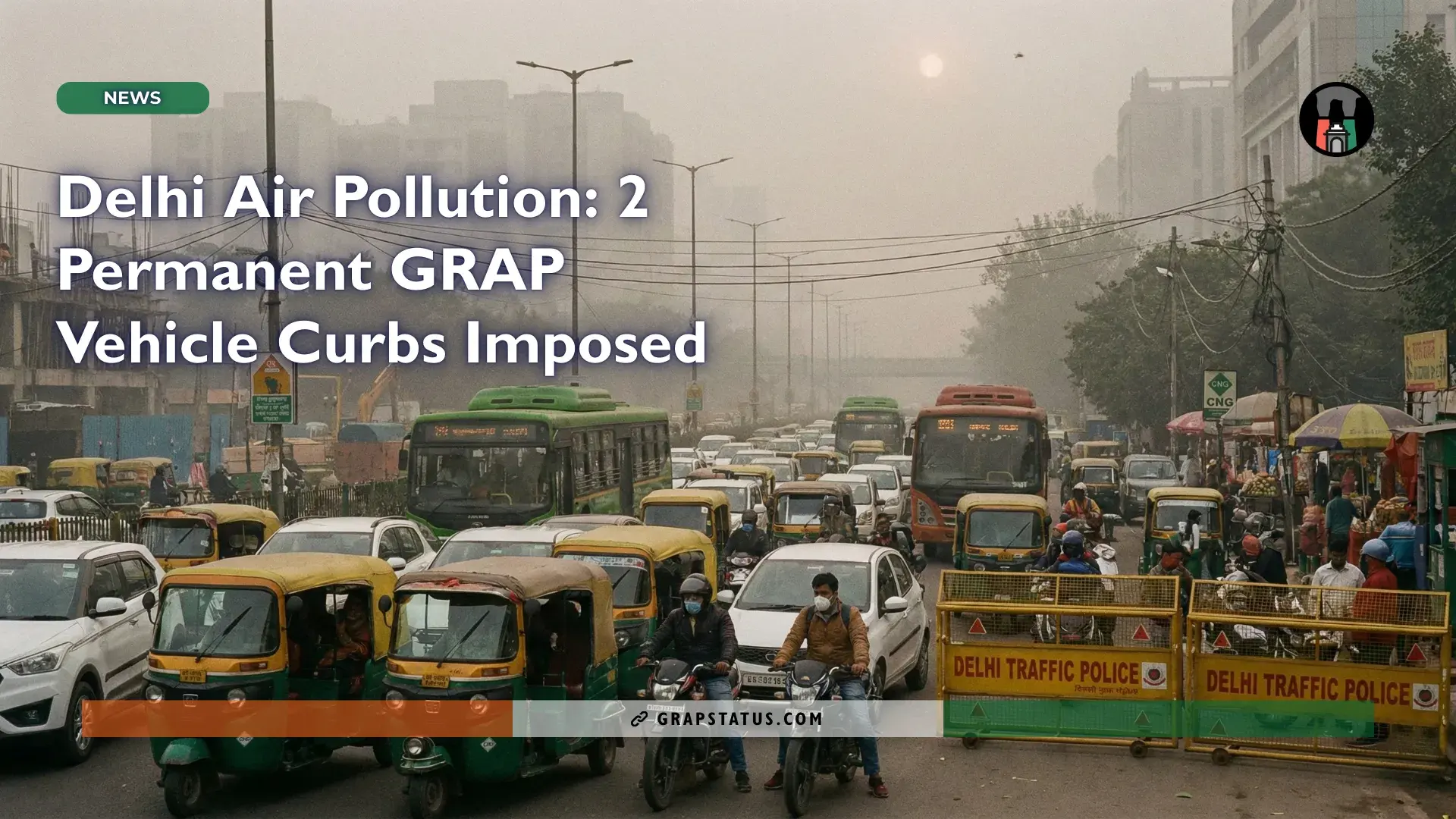
One of the biggest contributors to Delhi’s poor air is the sheer number of vehicles on its roads. Cars, motorcycles, buses, and trucks, especially older models, release harmful gases and tiny particles into the air. With millions of vehicles commuting daily and frequent traffic jams, the exhaust fumes accumulate, creating a thick blanket of pollution. Diesel vehicles, in particular, are known to emit more particulate matter and nitrogen oxides.
2. Industrial Pollution
Surrounding Delhi, in the NCR region, there are many factories and industrial units. Many of these industries, including power plants, use polluting fuels like coal and emit large amounts of smoke, chemicals, and fine dust into the atmosphere. Even with regulations, enforcement can be a challenge, and some industries might not fully comply with emission standards, adding significantly to the air pollution problem.
3. Stubble Burning
Every year, after harvesting paddy crops in the neighboring states of Punjab and Haryana, farmers traditionally burn crop residue, or stubble, in their fields to clear them for the next crop. This practice, though quick and cheap for farmers, creates massive clouds of smoke that travel with the winds towards Delhi. This smoke contains high levels of particulate matter and other harmful gases, severely worsening Delhi’s air quality, especially in October and November.
4. Construction Dust
Delhi is a city constantly undergoing development, with numerous construction sites for buildings, roads, and infrastructure projects. Unfortunately, dust from these sites, if not properly managed, becomes a major source of particulate matter in the air. Uncovered building materials, digging, and movement of heavy vehicles on unpaved roads all contribute to this “fugitive dust” that hangs in the air.
5. Domestic and Biomass Burning
In some parts of the city and its surrounding areas, especially among lower-income communities, people still burn wood, coal, cow dung cakes, and even garbage for cooking, heating, or just to keep warm during winters. This biomass burning releases a cocktail of dangerous pollutants directly into residential areas, contributing significantly to indoor and outdoor air pollution.
6. Weather Conditions
While not a direct source of pollution, Delhi’s winter weather conditions play a big role in trapping pollutants. During colder months, the air near the ground becomes dense and cool, while warmer air sits above it. This “temperature inversion” prevents pollutants from rising and dispersing, effectively trapping them close to the surface. Additionally, calm winds during winter mean pollutants don’t get blown away, leading to their accumulation.
Why does GRAP only address symptoms?
The Graded Response Action Plan (GRAP), by its very design, focuses on immediate reactions to high pollution levels rather than tackling the foundational issues. It’s like constantly cleaning up a spilled drink without fixing the hole in the cup. While important for immediate relief, its measures are mostly temporary and don’t lead to permanent reductions in emissions.
For example, GRAP bans construction activities when air quality is severe. This helps reduce dust and emissions for a while. However, once air quality improves slightly and the ban is lifted, construction resumes, and dust pollution returns. Similarly, industries might be temporarily shut down, but they restart once the alert passes, often without having adopted cleaner technologies or practices. The plan does not force a permanent shift to cleaner energy sources or more sustainable industrial processes.
Another key issue is that GRAP often relies on reactive measures rather than proactive, long-term planning. It waits for the air to get bad before implementing restrictions. While some measures like mechanical road sweeping are continuous, many of the impactful bans are only for critical periods. This leads to a cycle where pollution levels dip during GRAP enforcement, only to rise again as soon as restrictions are eased, a phenomenon frequently observed, as evidenced by reports on Delhi AQI Worsening after GRAP-3 Removal. This means that the sources of pollution, such as an ever-growing number of vehicles, inefficient public transport, or the practice of stubble burning, remain largely unaddressed in terms of fundamental change. GRAP doesn’t, for instance, mandate a rapid transition to electric vehicles or provide permanent solutions to manage agricultural waste without burning. It stops the worst effects for a moment but doesn’t solve the problem itself.

What long-term solutions are needed to clean Delhi’s air permanently?
Achieving consistently clean air in Delhi requires a shift from emergency measures to a comprehensive, long-term strategy that targets the root causes of pollution. These solutions demand commitment, investment, and coordinated efforts across all levels of government and society.
1. Improving Public Transport
A major step is to drastically improve and expand Delhi’s public transport system. This includes increasing the number of modern, comfortable buses and metro trains, making them more affordable and accessible. Encouraging the use of electric vehicles (EVs) through subsidies, charging infrastructure, and policies that favor them over petrol and diesel cars can also significantly reduce vehicle emissions. More cycling paths and pedestrian-friendly zones can also promote cleaner modes of travel.
2. Shifting to Cleaner Energy
Phasing out coal-fired power plants and promoting renewable energy sources like solar and wind power are critical. For industries, there needs to be a mandatory shift to cleaner fuels like natural gas or electricity, coupled with strict emission standards and regular monitoring. Encouraging homes to use cleaner cooking and heating alternatives, such as LPG or electric heaters, instead of wood or coal, would also help.
3. Controlling Industrial Emissions
Strict enforcement of emission norms for existing industries is vital. This means regular inspections, hefty fines for non-compliance, and support for industries to upgrade to cleaner technologies. For new industries, only those with advanced pollution control systems should be allowed to operate in the region. Some highly polluting industries might need to be relocated away from densely populated areas.
4. Managing Agricultural Waste
To tackle stubble burning, farmers need viable and affordable alternatives. This could include providing machinery for in-situ (on-field) management of crop residue, such as choppers and shredders that mix stubble back into the soil. Financial incentives or compensation for not burning, coupled with effective awareness campaigns, are also necessary to change this long-standing practice.
5. Green Urban Planning
Rethinking urban development is essential. This includes creating more green spaces, parks, and tree belts that act as natural air filters. Better waste management systems can prevent garbage burning. Paved roads, regular street sweeping with water, and strict dust control measures at construction sites (like using nets, water sprinklers, and covered storage of materials) are also crucial.
6. Public Awareness and Participation
Finally, a sustained effort to educate the public about the sources of pollution, its health impacts, and what individuals can do is important. Encouraging citizens to adopt cleaner habits, such as carpooling, using public transport, maintaining their vehicles, and reporting polluting activities, can create a collective movement towards cleaner air.
Conclusion
Delhi’s struggle with air pollution is a pressing challenge that demands immediate attention and thoughtful long-term strategies. The Graded Response Action Plan (GRAP) serves as a necessary emergency response system, offering temporary relief during periods of severe air quality. It’s effective in preventing catastrophic levels of pollution and coordinating efforts among various agencies. However, seeing GRAP as a cure would be a mistake.
As an environmentalist and news author reporting on Delhi, it’s clear that GRAP primarily addresses the symptoms of a much deeper problem. Its temporary bans and restrictions do not fundamentally alter the underlying causes: the ever-increasing number of vehicles, unregulated industrial emissions, persistent stubble burning, rampant construction dust, and reliance on polluting domestic fuels. For Delhi to truly breathe easy, policymakers must move beyond reactive measures. A comprehensive approach focusing on sustainable public transport, cleaner energy, strict industrial controls, agricultural waste management, and green urban planning is essential. These systemic changes, coupled with active public participation, are the only path to permanently purifying Delhi’s air and ensuring a healthy future for its residents.