Delhi AQI Worsens: Air Quality Plunges Day After GRAP-3 Removal
Delhi AQI plunges after GRAP-3 removal. Health warnings amidst rising pollution.
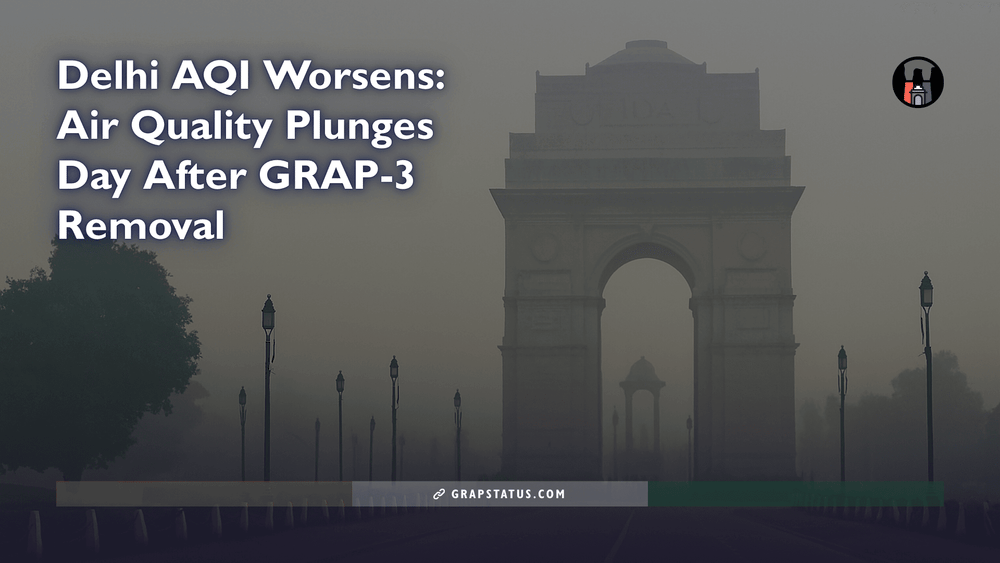
Delhi’s long struggle with clean air has hit a troubling new stage. Just when people hoped for some relief, the city’s air quality took a sharp turn for the worse. This happened right after a key set of pollution control rules, known as GRAP Stage III, were suddenly removed. The decision by the Commission for Air Quality Management (CAQM) on Wednesday, November 27, 2025, raised many eyebrows. At that time, Delhi’s Air Quality Index (AQI) was already a high 327, clearly in the ‘very poor’ category—a level that is unhealthy for everyone.
The CAQM decided to lift these important restrictions because, technically, the air quality had moved from ‘severe’ to ‘very poor’. While this might sound like an improvement on paper, it hid a deeper truth: the air was still dangerously unhealthy. Many believed it was too early to ease up on pollution controls, and they were proven right very quickly. Just one day after GRAP Stage III was lifted, Delhi’s AQI jumped to 349. This quick rise showed clearly that the toxic air conditions were getting worse, not better, as soon as the strict measures were removed.
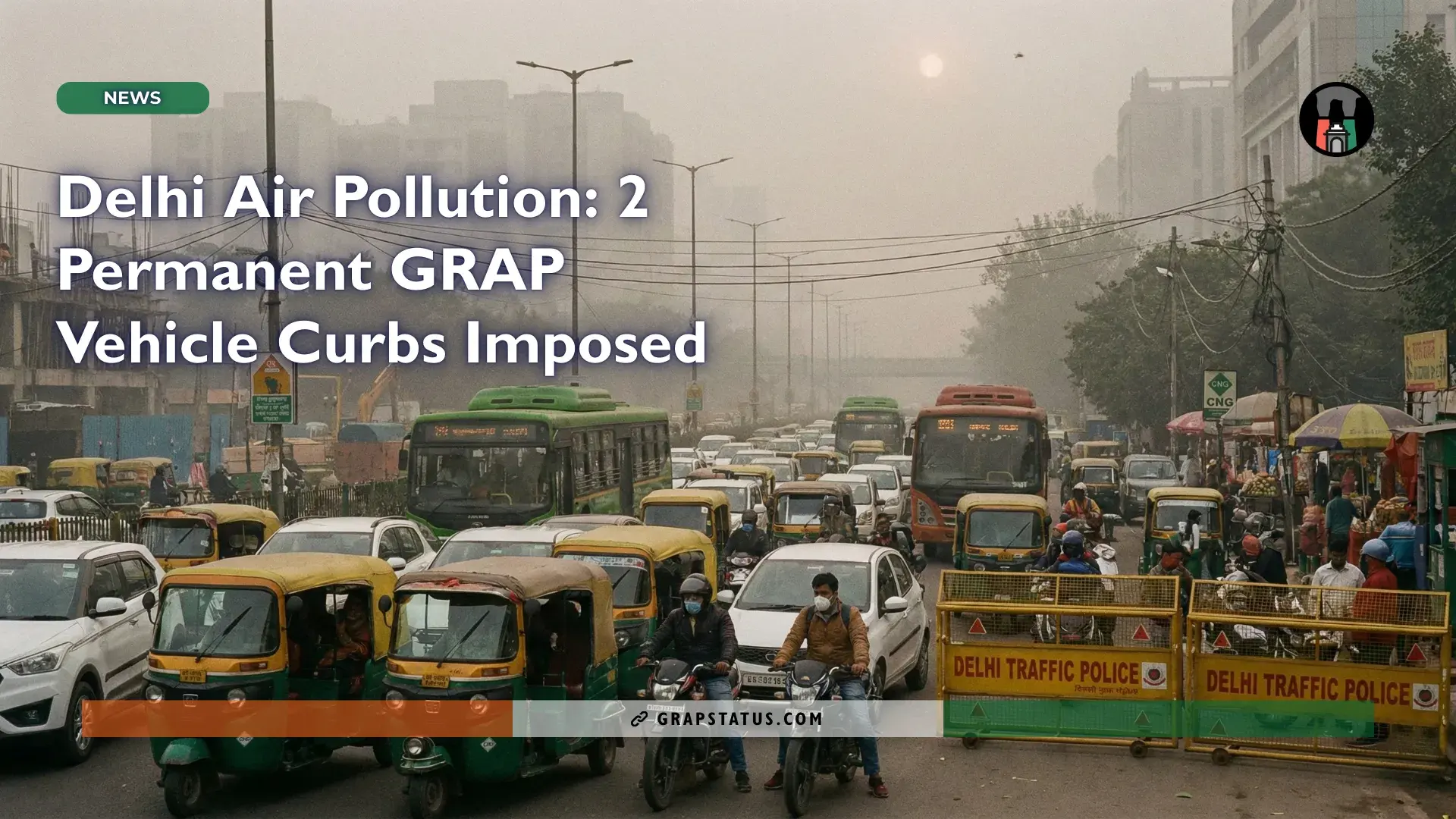
The removal of GRAP Stage III meant that several crucial steps taken to protect public health were immediately stopped. One major change was allowing older, more polluting vehicles back on the roads. The ban on BS-III petrol and BS-IV diesel vehicles was lifted. Also, construction and demolition work, which creates a lot of dust and pollution, was allowed to start again across the city. These activities are known to significantly worsen air quality, especially in a city like Delhi where construction is constant.

What Did Lifting GRAP Stage III Mean for Daily Life?
Beyond vehicles and construction, the changes touched daily life for many people. The rule that asked Delhi government and private offices to have at least 50% of their staff work from home was also taken away. This meant more people were commuting, adding to traffic and vehicle emissions. For students, classes up to the fifth standard had been moved to a hybrid system, combining online and in-person learning, to reduce exposure to bad air. This, too, was stopped, sending all young students back to school full-time and increasing their exposure during travel and school hours.
These measures had been put in place specifically to cut down on traffic and human movement during the times of peak pollution. While the general ban on construction was lifted, construction sites that had been shut down for breaking rules still needed special permission from CAQM to reopen. This detail highlights the complex and often confusing way pollution rules are handled.
How Did This Decision Go Against Expert Advice?
The quick worsening of air quality right after GRAP Stage III was removed clearly showed how fragile Delhi’s system for controlling pollution really is. It pointed out that the city’s air quality depends heavily on strong and ongoing measures. Earlier, the Supreme Court had even encouraged CAQM to be more forward-thinking and maybe even stricter with pollution controls, not more relaxed. The court’s involvement showed how serious the air pollution problem in Delhi had become, and how concerned judges were about it. Yet, CAQM’s actions seemed to go in the opposite direction.
Instead of planning ahead, the city often responds only after the problem gets bad. For example, truck-mounted water sprinklers were deployed around places like Kartavya Path, where the AQI was 299. While helpful, this is a “reactive” step – acting after pollution is already high – rather than a “proactive” one, which means taking steps to prevent pollution from getting bad in the first place. Even after lifting Stage III, CAQM told agencies to keep up their efforts under Stage I and Stage II rules. This instruction itself admits that toxic air conditions remain a threat even when fewer restrictions are in place.
Why Is This Time of Year So Challenging for Delhi’s Air?
Delhi’s bad air quality problem is nothing new, especially during certain times of the year. The period from late October through November is typically the worst. Many things come together to create this toxic mix. Farmers in nearby states often burn their crop stubble, sending smoke across the region. The weather also plays a big role; during the shift to winter, calm winds and colder air can trap pollutants close to the ground, stopping them from scattering away. The fact that this November saw the coldest night in three years only made things worse, as colder air traps pollution even more effectively.
What Are the Real Health Dangers of “Very Poor” Air?
Breathing air in the ‘very poor’ category is truly dangerous for health. It can cause serious breathing problems and heart issues. People who are most at risk include young children, older individuals, and anyone who already has health problems like asthma or heart disease. By taking away work-from-home options and online classes, more people are now exposed to this harmful air during their commutes and daily activities. This could lead to a rise in health issues across the entire Delhi-NCR region.
The CAQM’s decision really highlights a difficult choice: should they focus on small technical improvements in air quality numbers, or should they prioritize the very real health needs of the public? While the AQI did improve from ‘severe’ to ‘very poor,’ the air was still very unhealthy. And with weather forecasts predicting more bad air days, lifting all Stage III rules might have been too soon. The immediate rise in AQI to 349 after the rules were removed confirms these worries. It shows that without strong and continuous action, Delhi’s air quality is likely to keep getting worse through the remaining winter months.
What Can Be Done to Improve Delhi’s Air Quality?
To truly tackle Delhi’s air pollution, much more is needed than just reacting to bad air days. The focus needs to shift towards long-term and stable solutions. This includes tougher rules for vehicles, better control over industrial emissions, smarter ways to handle waste, and stricter checks on construction sites. Dealing with sources like crop burning also requires cooperation with neighboring states, a bigger challenge that needs ongoing efforts. The city needs a plan that is always working to keep the air clean, not just when it gets critically bad. For a deeper understanding of how these measures are structured and what each GRAP stage entails, you can refer to our detailed guide on Understanding Delhi-NCR’s GRAP Stages: Rules, Regulations, and Restrictions.