Delhi Air Pollution: Environment Minister Admits Failure Amid Ongoing Crisis
Delhi, the vibrant heart of India, is once again gasping for breath. The air quality in the National Capital Region (NCR) has plummeted to “severe” levels, painting the skyline with a thick, toxic haze. This isn’t just an inconvenience; it’s a grave public health emergency that grips millions every year. Adding to the gravity, Delhi’s […]
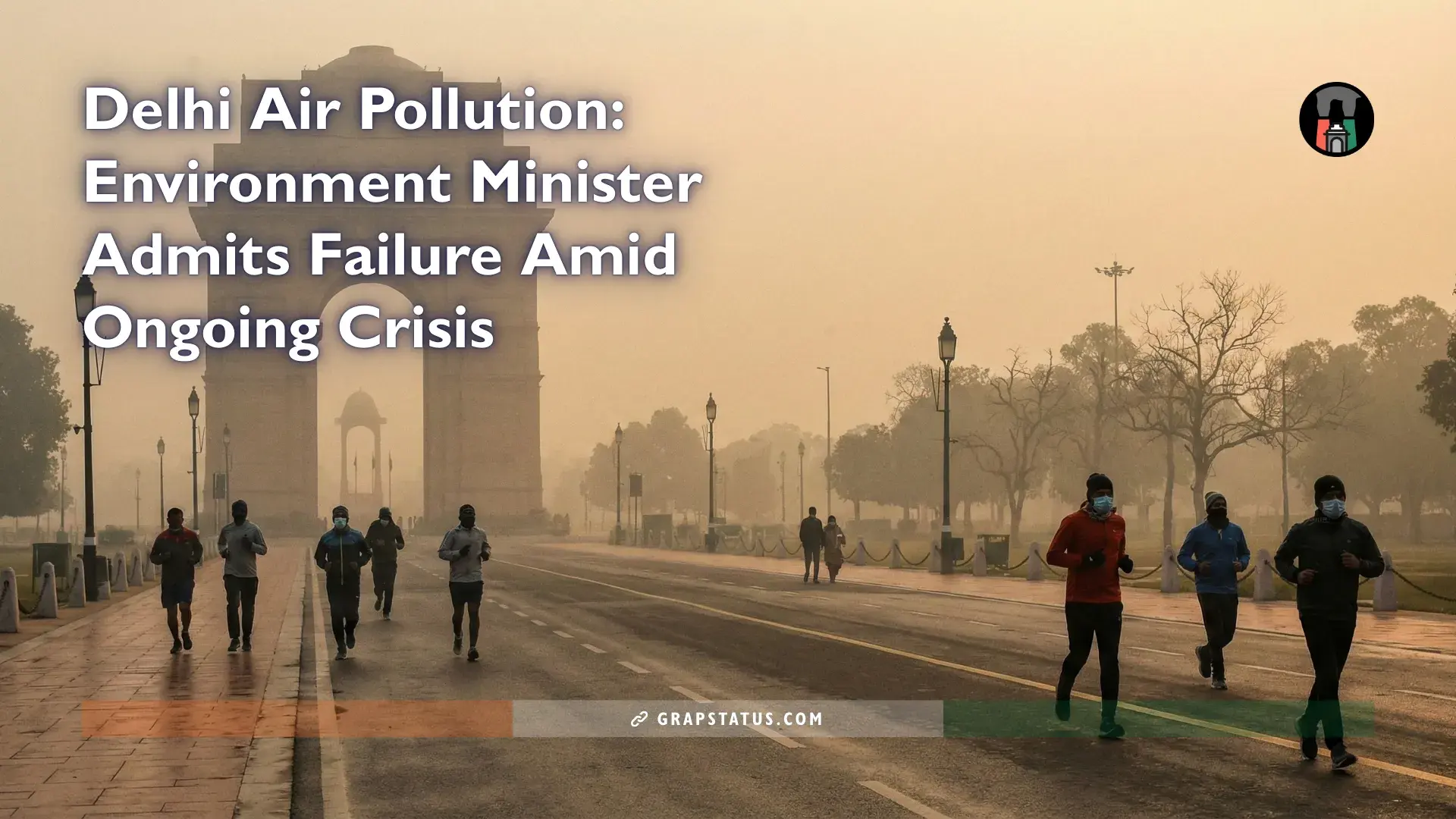
Delhi, the vibrant heart of India, is once again gasping for breath. The air quality in the National Capital Region (NCR) has plummeted to “severe” levels, painting the skyline with a thick, toxic haze. This isn’t just an inconvenience; it’s a grave public health emergency that grips millions every year. Adding to the gravity, Delhi’s Environment Minister, Mr. Manjinder Singh Sirsa has openly acknowledged the administration’s shortcomings in tackling this persistent problem, a stark admission that underscores the depth of the crisis.
For days, the Air Quality Index (AQI) has consistently hovered in the “severe” category, meaning the air is highly dangerous for everyone, not just those with existing health issues. Schools have been shut, construction activities halted, and residents are advised to stay indoors. Yet, for many, life must go on, forcing them to brave the poisonous air. This annual ritual of smog and despair highlights a profound failure to protect the very air people breathe, casting a shadow over the future of one of the world’s largest urban areas.
What’s Happening in Delhi’s Air? Understanding the Air Quality Index (AQI)
The Air Quality Index (AQI) is like a report card for our air. It tells us how clean or polluted the air is and what health effects we might face within a few hours or days of breathing it. The higher the AQI value, the greater the level of air pollution and the greater the health concern.
What is AQI and What Do These Numbers Mean?
The AQI scale goes from 0 to 500, or even higher. Each range has a different meaning:
- Good (0-50): Air quality is satisfactory, and air pollution poses little or no risk.
- Moderate (51-100): Air quality is acceptable; however, for some pollutants, there may be a moderate health concern for a very small number of people who are unusually sensitive to air pollution.
- Unhealthy for Sensitive Groups (101-150): Members of sensitive groups may experience health effects. The general public is not likely to be affected.
- Unhealthy (151-200): Everyone may begin to experience health effects; members of sensitive groups may experience more serious health effects.
- Very Unhealthy (201-300): Health warnings of emergency conditions. The entire population is more likely to be affected.
- Severe or Hazardous (301-500+): Health alert: everyone may experience more serious health effects. This is the stage Delhi is currently facing, indicating an immediate and widespread health risk.
How Bad Is It Right Now?
In recent days, Delhi’s AQI has frequently crossed the 400-mark, often touching 450 or even higher in some areas. This puts it firmly in the “severe” or “hazardous” category. To put this into perspective, breathing air with an AQI of 400 for a day is roughly equivalent to smoking several cigarettes. The air smells burnt and dusty, visibility drops dramatically, and a constant grey haze hangs heavy over everything. It feels like living inside a gas chamber, with every breath a conscious effort against the invisible enemy.

The Hard Truth: Delhi’s Environment Minister Admits Failure
In a rare and candid admission, Mr.Sirsa, responsible for environmental affairs openly stated that the government has not been able to find a lasting solution to Delhi’s air pollution. This acknowledgement, while honest, is a sobering reminder of the complex challenges and the lack of effective action over the years. Such an admission from a public official highlights the immense pressure and the deep-seated nature of the problem, suggesting that current strategies are simply not enough.
What Did the Minister Say?
Mr.Sirsa reportedly expressed regret and frustration, stating that despite various efforts and plans, the air quality continues to deteriorate significantly during the winter months. This points to a recognition that the actions taken so far are either insufficient, poorly implemented, or not addressing the core issues effectively. The statement implies a need for a complete rethink, moving beyond stop-gap measures to more fundamental and long-term changes.
Why Is This Important?
An admission of failure, especially from a high-ranking official, carries significant weight. It can be seen in several ways:
- Accountability: It puts the focus squarely on government accountability and the need for more effective governance.
- Public Trust: While it might erode some public trust, it can also open doors for more honest dialogue about the challenges.
- Urgency: It emphasizes the dire urgency of the situation, showing that even those in power feel helpless without new solutions.
- Call for New Approaches: It signals that conventional methods have not worked, prompting a demand for innovative and bolder strategies.
Why is Delhi Choking? Key Sources of Pollution
Delhi’s air pollution is not caused by a single factor but a complex mix of sources, both local and regional. These factors often combine, especially during winter when cold, still air traps pollutants close to the ground, leading to the infamous smog episodes.
1. Vehicle Smoke: A Constant Threat
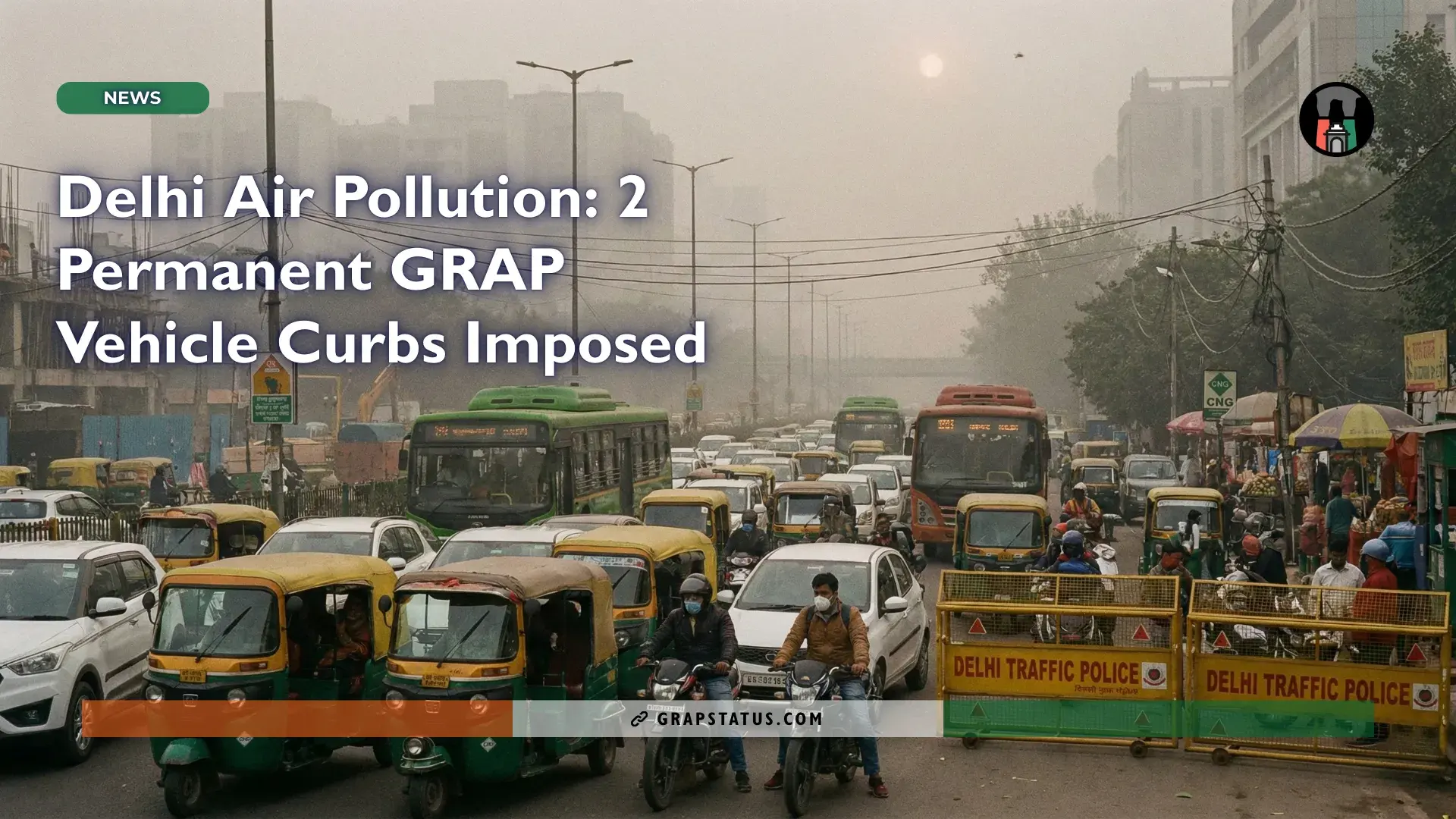
With millions of vehicles on its roads, Delhi faces a constant battle against tailpipe emissions. Cars, trucks, buses, and two-wheelers release harmful pollutants like nitrogen oxides, carbon monoxide, and particulate matter (PM2.5 and PM10). These tiny particles are especially dangerous because they can get deep into our lungs and even into our bloodstream.
2. Crop Burning: The Seasonal Scourge
Every year, farmers in neighboring states like Punjab and Haryana burn crop stubble after harvesting rice to prepare their fields for the next crop. This practice creates massive plumes of smoke that travel with the wind and blanket Delhi, significantly contributing to the severe pollution levels during autumn and early winter. Despite bans and efforts to provide alternatives, this remains a major challenge.
3. Dust and Construction: Ever-Present Issues
Delhi is a city of constant development, with numerous construction projects underway. These sites generate huge amounts of dust and particulate matter, which become airborne and add to the pollution load. Poor management of construction waste and uncovered building materials worsen the problem. Additionally, dust from unpaved roads and general urban activities also contributes significantly.
4. Industrial Emissions and Firecrackers: Other Contributors
While some polluting industries have been moved out of the city, emissions from power plants and factories in the NCR still impact Delhi’s air. Furthermore, despite restrictions, the burning of firecrackers during festivals like Diwali often leads to a sharp spike in pollution levels, pushing the AQI into critical zones for several days.
A City Under Siege: Health Impacts of Severe Air
The consequences of breathing severely polluted air are profound and far-reaching. It’s not just about a cough or sore throat; it’s about serious, long-term damage to the human body.
Who is Most at Risk?
While bad air affects everyone, some groups are particularly vulnerable:
- Children: Their lungs are still developing, and they breathe faster than adults, taking in more pollutants. This can lead to lifelong respiratory problems.
- Elderly: Older adults often have weaker immune systems and pre-existing conditions that make them highly susceptible to air pollution’s effects.
- People with Respiratory Conditions: Individuals suffering from asthma, bronchitis, or other lung diseases experience immediate and severe worsening of their symptoms.
- Outdoor Workers: Those who must work outside, like street vendors, construction laborers, and traffic police, have no escape and face continuous exposure.
How Does Bad Air Hurt Us?
The tiny particles and toxic gases in polluted air can cause a range of health issues:
- Respiratory Problems: Shortness of breath, coughing, wheezing, asthma attacks, bronchitis, and increased risk of lung infections.
- Heart Disease: Air pollution can worsen existing heart conditions, increase the risk of heart attacks and strokes, and contribute to high blood pressure.
- Eye and Skin Irritation: Burning eyes, itchy skin, and allergic reactions are common complaints during smoggy periods.
- Long-Term Damage: Prolonged exposure is linked to reduced lung function, chronic respiratory diseases, increased cancer risk, and even impacts on brain development in children.
The Silent Killer: Invisible Damage
Much of the damage from air pollution is invisible and happens slowly over time. It weakens the body’s defenses, making people more prone to illness and reducing their overall quality of life. The mental toll of living under a constant grey cloud, with fears for one’s health and the health of loved ones, is also significant, leading to stress and anxiety among residents.
What Can Be Done? Solutions and Strategies
Tackling Delhi’s air pollution requires a multi-pronged approach involving strict government policies, regional cooperation, technological innovation, and individual responsibility. There’s no single magic bullet, but a combination of efforts can make a difference.
Government Actions: What’s Being Tried?
The government implements various measures, especially when pollution levels spike:
- Graded Response Action Plan (GRAP): This is an emergency plan that kicks in when pollution reaches certain levels. It includes banning construction, shutting down polluting industries, and restricting vehicle movement (like the odd-even scheme). For the latest measures, learn more about GRAP IV (Stage 4) Updated Restrictions.
- Restrictions on Vehicles: Measures like the odd-even car rationing scheme aim to reduce the number of cars on the road. Campaigns promoting public transport and electric vehicles are also underway.
- Industrial Controls: Stricter emission norms for industries and relocation of highly polluting units are part of the strategy.
- Water Sprinkling and Anti-Smog Guns: These are used to settle dust and reduce airborne particles, especially in key areas.
- Banning Firecrackers: Attempts are made to curb the use of firecrackers during festivals, though enforcement remains a challenge.
What Individuals Can Do to Stay Safe?
While governments work on solutions, individuals can take steps to protect themselves:
- Stay Indoors: When AQI is severe, limit outdoor activities, especially during peak pollution hours (early morning and late evening).
- Wear Masks: Use N95 or N99 masks when stepping outside. Regular cloth masks offer very little protection against fine particulate matter.
- Use Air Purifiers: Inside homes, air purifiers with HEPA filters can help clean indoor air. For optimal indoor air quality, consider investing in the best air purifiers for Delhi NCR pollution, or explore options like indoor plants proven to improve your home’s AQI.
- Eat Healthy: A diet rich in antioxidants can help the body fight off the effects of pollution.
- Monitor AQI: Keep an eye on daily air quality reports to make informed decisions about outdoor activities.
- Avoid Burning Waste: Do not burn leaves, garbage, or anything else, as this adds to local pollution.
- Use Public Transport: Opt for buses, metro, or carpooling to reduce vehicle emissions.
The Need for Long-Term Vision
Beyond immediate relief, long-term solutions are crucial. These include:
- Sustainable Urban Planning: Developing greener cities with more public spaces, improved waste management, and better public transport networks.
- Transition to Cleaner Energy: Investing in renewable energy sources like solar and wind power, and phasing out coal-fired power plants.
- Promoting Electric Vehicles: Encouraging the widespread adoption of electric vehicles through incentives and infrastructure development.
- Regional Cooperation: Working with neighboring states to find permanent solutions for crop burning and industrial emissions, perhaps through economic incentives for farmers to adopt alternative practices.
- Public Awareness and Education: Educating citizens about the sources of pollution and the importance of collective action.
The Road Ahead: A Call for Collective Action
Delhi’s air pollution crisis is a complex, heartbreaking challenge that demands more than just seasonal interventions, frequently leading to situations where thick smog blankets the capital and AQI soars. The minister’s admission of failure, while painful, must serve as a catalyst for genuine introspection and a renewed commitment to finding lasting solutions. It highlights that the current methods are falling short, and a bolder, more integrated strategy is urgently needed.
The battle for clean air in Delhi is a shared responsibility. It requires unwavering political will, stringent enforcement of environmental laws, innovative technological solutions, and active participation from every citizen. The health and future of millions depend on our ability to work together to transform this crisis into an opportunity for a healthier, more breathable Delhi. The time for excuses is over; the time for decisive action is now.