Delhi’s Wealthy Flee Pollution: DGCA Probes Private Jet Usage
Delhi’s air quality has once again plunged into dangerous levels, turning the vibrant capital into a toxic haze. As millions of residents grapple with the suffocating smog and its severe health consequences, a concerning trend has emerged: many of the city’s wealthiest inhabitants are increasingly choosing to escape the pollution via private jets. This noticeable […]
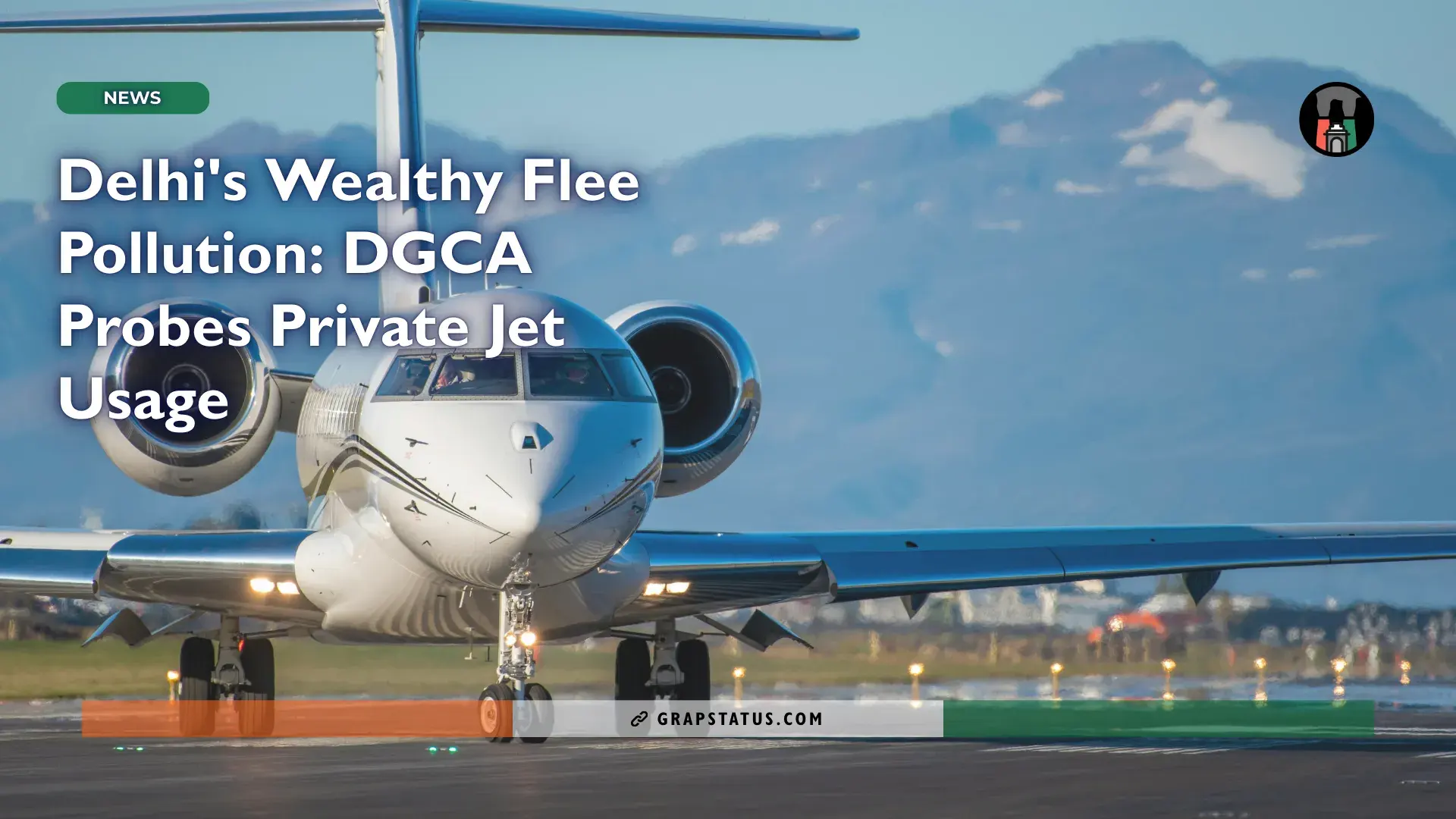
Delhi’s air quality has once again plunged into dangerous levels, turning the vibrant capital into a toxic haze. As millions of residents grapple with the suffocating smog and its severe health consequences, a concerning trend has emerged: many of the city’s wealthiest inhabitants are increasingly choosing to escape the pollution via private jets. This noticeable rise in private aircraft movements during peak pollution periods has not gone unnoticed. India’s top aviation watchdog, the Directorate General of Civil Aviation (DGCA), has now launched a formal probe into this surge, raising questions about air traffic management, regulatory compliance, and the widening gap between the city’s rich and its struggling majority.
This investigation by the DGCA shines a spotlight on a stark reality: for those with the means, escaping Delhi’s annual environmental crisis has become a viable, albeit controversial, option. While ordinary citizens have little choice but to breathe the poisonous air, some affluent residents are chartering private planes to cleaner destinations, sometimes for short trips or even for prolonged stays. The sheer volume of these flights has prompted authorities to scrutinize the logistics and implications, ensuring that all aviation rules are being followed and that the sudden demand isn’t impacting the safety and efficiency of India’s busy airspace.
The DGCA’s probe aims to understand the full scope of this private jet exodus. It seeks to gather specific data on flight frequencies, common destinations, and the reasons behind these travel patterns during times of severe air quality issues. This move underscores a growing concern among regulators to maintain order and accountability within the aviation sector, especially when faced with unusual spikes in specific flight categories. The findings of this investigation could not only lead to stricter regulations but also deepen the public discourse on environmental justice and the collective responsibility to combat Delhi’s persistent air pollution.
At its heart, this situation reveals a tale of two Delhis. On one side, millions endure chronic respiratory problems, interrupted lives, and the constant fear of long-term health damage. On the other, a privileged few can literally fly away from the problem, highlighting the profound socio-economic divides exacerbated by environmental degradation. This article will explore the DGCA’s inquiry, the phenomenon of wealthy residents fleeing, and the broader implications for Delhi’s ongoing battle against its hazardous air.

What’s Happening with Delhi’s Air Pollution?
Delhi, the capital city, frequently suffers from some of the worst air pollution globally, especially during the colder months from October to February. This period sees a dangerous mix of factors contributing to a thick, toxic smog. These include emissions from vehicles, industrial activities, construction dust, and agricultural stubble burning in nearby states. The Air Quality Index (AQI) often crosses into “severe” or “hazardous” categories, meaning the air is unsafe for everyone to breathe, not just those with existing health conditions.
Breathing Delhi’s air during these times is like smoking multiple cigarettes a day. The tiny harmful particles, known as PM2.5, can enter deep into the lungs and even the bloodstream, causing serious health issues. These include respiratory problems like asthma attacks, bronchitis, heart disease, and even a higher risk of lung cancer. Schools often close, outdoor activities are cancelled, and doctors report a huge increase in patients with breathing difficulties, turning the city into a giant gas chamber for its inhabitants.
Are Wealthy Delhi Residents Using Private Jets to Escape?
Yes, there has been a noticeable increase in private jet travel from Delhi by the city’s affluent citizens when air pollution levels spike. Many wealthy individuals, including business magnates, celebrities, and other high-net-worth individuals, are choosing to leave Delhi temporarily to avoid the toxic air. They seek cleaner environments for themselves and their families, often flying to destinations within India that boast better air quality, or even abroad. This trend has become an annual occurrence, signaling their readiness to spend significant amounts to protect their health and well-being from the severe environmental conditions.
The reasons for fleeing are straightforward: a desperate need for clean air and a desire to avoid the immediate and long-term health effects of pollution. While some might take short weekend breaks, others arrange longer stays until the pollution subsides. This choice highlights the stark difference in how various segments of society can respond to an environmental crisis. For the privileged, private jets offer a swift escape, a luxury unavailable to the vast majority of Delhiites who must endure the hazardous air quality.
Why is the DGCA Probing Private Jet Usage?
The Directorate General of Civil Aviation (DGCA) is India’s main authority for civil aviation safety. Its job is to make sure all flights are safe, secure, and follow the rules. The DGCA has started its probe into private jet usage from Delhi primarily due to the significant surge in these flights during periods of extreme air pollution.
The core reasons for the investigation include:
- Unusual Spike in Flights: During pollution peaks, air traffic controllers have observed an abnormal rise in private jet movements, which needs to be properly monitored and managed to ensure overall airspace safety.
- Air Traffic Management Concerns: A sudden increase in any type of air traffic can put a strain on air traffic control systems. The DGCA wants to ensure that this trend isn’t creating any safety risks or delays for regular commercial flights.
- Regulatory Compliance: The probe aims to confirm that all private jet operators are fully complying with aviation regulations, including flight planning, crew duty times, and passenger manifests. They are checking if there’s any unauthorized operation or disregard for safety protocols due to the high demand.
- Resource Allocation: Understanding the patterns of these flights helps the DGCA allocate resources and plan for future air traffic management strategies more effectively.
Essentially, the DGCA wants to ensure that this increase in private jet activity, driven by Delhi’s pollution crisis, is managed responsibly and safely, without compromising aviation standards.
What Does This Mean for Delhi’s Pollution Fight?
The phenomenon of the wealthy fleeing Delhi’s pollution carries significant implications for the city’s ongoing struggle against environmental degradation. Firstly, it sharpens the focus on environmental inequality. When a segment of society can simply exit the problem, it highlights the lack of options for the majority and can reduce the collective urgency felt by all stakeholders to find lasting solutions. It paints a picture of a fractured society, where the rich are protected, and the poor and middle class bear the brunt of the crisis.
Secondly, while private jets themselves contribute to carbon emissions, the probe’s immediate focus is on the logistics of the flights rather than their environmental footprint. However, the very act of escaping pollution by flying raises questions about the commitment of all sections of society to address the root causes of the problem. If those with influence choose to escape rather than engage, it can weaken the collective will to implement tough, necessary measures to clean up Delhi’s air for everyone.
What Steps Can Be Taken to Tackle Pollution in Delhi NCR?
Tackling air pollution in Delhi NCR requires a multi-pronged and sustained effort, focusing on both immediate relief and long-term solutions. Here are some key steps that can make a real difference:
- Promote Public Transport and Electric Vehicles: Investing heavily in reliable and accessible public transport, and giving incentives for electric vehicles, can significantly reduce vehicle emissions.
- Strict Industrial Emission Controls: Enforcing tougher limits on pollutants released by factories and industries, alongside regular monitoring, is crucial.
- Better Waste Management: Stopping the open burning of garbage and promoting efficient waste collection and processing systems can cut down on smoke and harmful gases.
- Control Dust from Construction: Implementing strict rules for construction sites to manage dust, such as using covers and water spraying, can help reduce a major source of particulate matter.
- Discourage Stubble Burning: Working with farmers in neighboring states to provide alternatives to stubble burning, like machines for crop residue management, is vital.
- Expand Green Cover: Planting more trees and creating green spaces across the city acts as natural air purifiers.
- Public Awareness and Participation: Educating citizens about the causes and effects of pollution, and encouraging them to adopt eco-friendly practices, can create a collective movement for cleaner air.
The DGCA’s probe into private jet usage during Delhi’s pollution crisis serves as a powerful reminder of the deep-seated environmental challenges facing the capital. It exposes the stark inequalities that emerge when essential resources, like clean air, become a luxury. As the investigation unfolds, its findings will undoubtedly contribute to the broader conversation about accountability, both from regulatory bodies and from citizens themselves. Ultimately, ensuring that everyone in Delhi can breathe clean air requires a concerted, inclusive effort that transcends socio-economic divides, demanding collective responsibility rather than individual escape strategies. Only then can Delhi truly begin to overcome its annual struggle with the suffocating smog. For practical guidance on how to protect yourself in this severe environment, see How to Stay Safe from Pollution in Delhi: Key Do’s and Don’ts.