Delhi’s Toxic Air Nightmare: Smog Persists, Ethiopia Volcanic Ash A New Worry
Delhi’s deadly smog persists; Ethiopia volcanic ash adds new air pollution worry.
Delhi, the bustling heart of India, is once again gasping for breath under a thick blanket of smog. The city is currently facing its worst air pollution crisis in years, a suffocating reality that residents know all too well. This year, however, a strange new element has added to the worry: high-altitude volcanic ash from a far-off eruption in Ethiopia. While experts say this ash might not be hitting us directly at ground level, its arrival is a stark reminder of how connected our world is, and how vulnerable Delhi’s air truly remains.
The numbers paint a grim picture of our city’s air quality. According to a detailed study by the Centre for Research on Energy and Clean Air (CREA), Delhi recorded the highest annual average PM2.5 levels in India. Between March 2024 and February 2025, the average stood at a staggering 101 micrograms per cubic meter. To put this in perspective, that’s two and a half times higher than India’s own national safety limit, and a shocking twenty times the amount recommended by the World Health Organization (WHO). Sadly, about 60% of India’s districts breathed air that went beyond the national PM2.5 limits, but Delhi’s concentration was the highest, showing just how much local activities contribute to this heavy pollution burden.

What is Choking Our City? The Usual Suspects
This choking crisis isn’t new, and its causes are well-known. A mix of problems creates this toxic cocktail in Delhi’s air. Vehicle exhausts pump out harmful fumes daily, factories release industrial emissions, and dust from constant construction work fills the air. However, a major annual contributor, especially as winter approaches, is the burning of crop stubble in the neighboring states of Punjab and Haryana. Farmers often burn their leftover crop waste in their fields to prepare for the next planting season.
In October 2025, during the peak of this seasonal burning, Delhi’s air quality plunged dramatically. The Air Quality Index (AQI) frequently soared into the “Very Unhealthy” range (200–300) and often hit the truly “Hazardous” levels (300–500). Some days saw the AQI peak as high as 491, a level so bad it’s called “severe plus.” Breathing this air isn’t just unpleasant; it’s known to cause immediate and long-term health problems. These dangerous spikes in pollution directly match the timing of stubble burning. To make matters worse, stagnant weather conditions – low wind speeds and cooler temperatures – act like a lid, trapping all these harmful pollutants close to the ground and stopping them from spreading out. The dangerous smog isn’t just PM2.5; it’s a mix of tiny particles (PM10), nitrogen oxides (NOx), sulfur dioxide (SO2), ozone (O3), and carbon monoxide (CO), all of which contribute to serious respiratory, heart, and general health risks.
A Rare Visitor: Volcanic Ash from Far-Off Lands
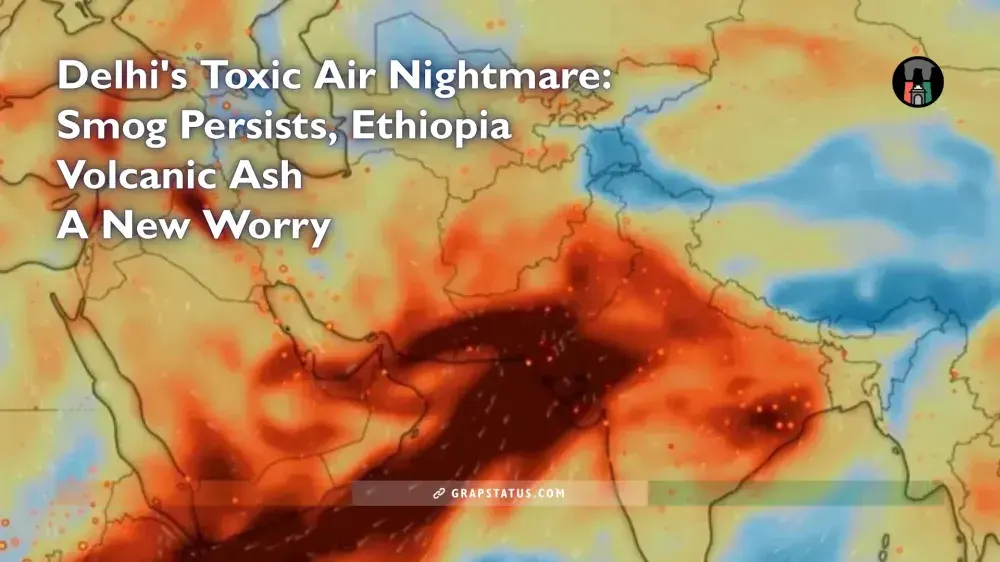
Amidst this ongoing public health emergency, an extremely rare event added a new layer of concern. On November 23–24, 2025, the Hayli Gubbi volcano in Ethiopia erupted. This was its first eruption in nearly 12,000 years! The volcano shot a massive cloud of ash up to 14 kilometers (about 45,000 feet) into the sky. This high-flying ash then began a long journey, drifting eastward across the Red Sea, passing over countries like Yemen and Oman, crossing the northern Arabian Sea, and finally reaching northwestern India.
Satellite images and weather reports confirmed that this high-altitude ash plume arrived over Delhi on the night of November 24, 2025. Many residents noticed an unusual, diffused haze covering the city, which looked different from the normal, thick smog. This volcanic ash is mostly made up of very fine silicate particles – essentially tiny bits of rock and glass. These particles can float high up in the atmosphere for a long time, sometimes affecting weather patterns and adding to the overall dust and particles in the air.
Is the Volcanic Ash Adding to Delhi’s Ground-Level Crisis?
Naturally, the arrival of ash from an African volcano sparked immediate worry: was this making Delhi’s already terrible air even worse? However, weather experts at the India Meteorological Department (IMD) have looked closely at the situation. Their assessment indicates that it’s highly unlikely that this Ethiopian volcanic ash has caused any immediate or major worsening of Delhi’s air quality at ground level.
The main reason for this reassuring news is that the ash plume is circulating mostly at very high altitudes. It’s staying well above the atmospheric mixing layer – that’s the lower part of the atmosphere where Delhi’s pollution usually builds up and gets trapped. So far, the ash has had a negligible, or very small, impact at ground level. The most noticeable effect has been a slight increase in the haziness of the sky, and possibly a tiny rise in nighttime temperatures. This is because volcanic ash, like high-level clouds, can partly absorb and then re-release heat.
For now, the IMD and other experts believe the direct risk to respiratory health from this volcanic ash event is minimal. But even if the immediate danger is small, the presence of African volcanic debris high above Delhi highlights something important: how vulnerable the city is to pollution, not just from its own backyard, but also from far-off places.
Local Emissions Still Drive Delhi’s Hazardous Air
Despite this unique event, the core problem remains. Key pollution measurements, such as PM2.5 levels and the overall AQI, are still overwhelmingly driven by local sources right here in and around Delhi. Recent monitoring shows that AQI values have consistently averaged between 328 and 391 across Delhi over the past week. These numbers put the air quality firmly in the “very poor” to “severe” categories, meaning it is dangerous for everyone.
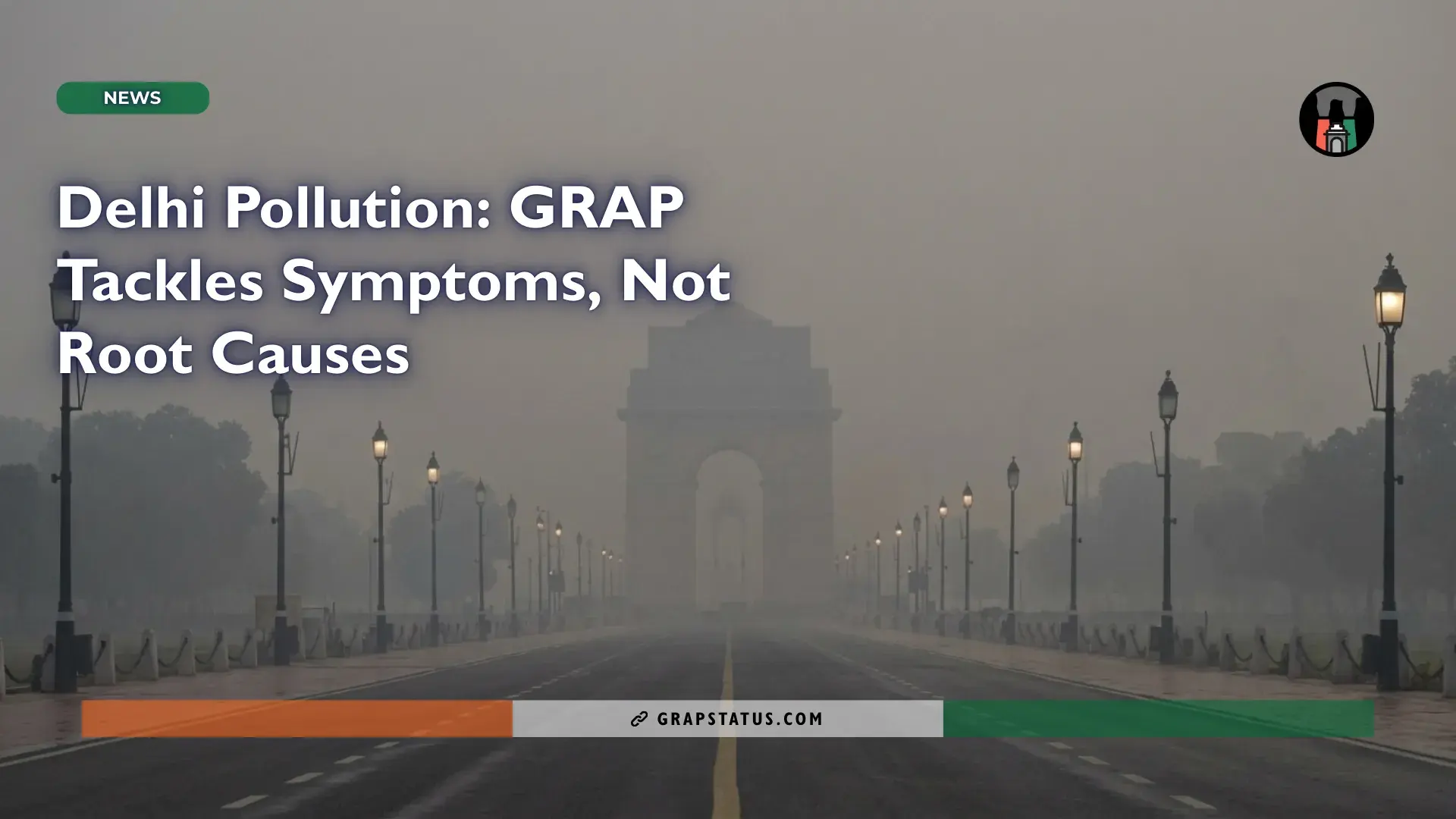
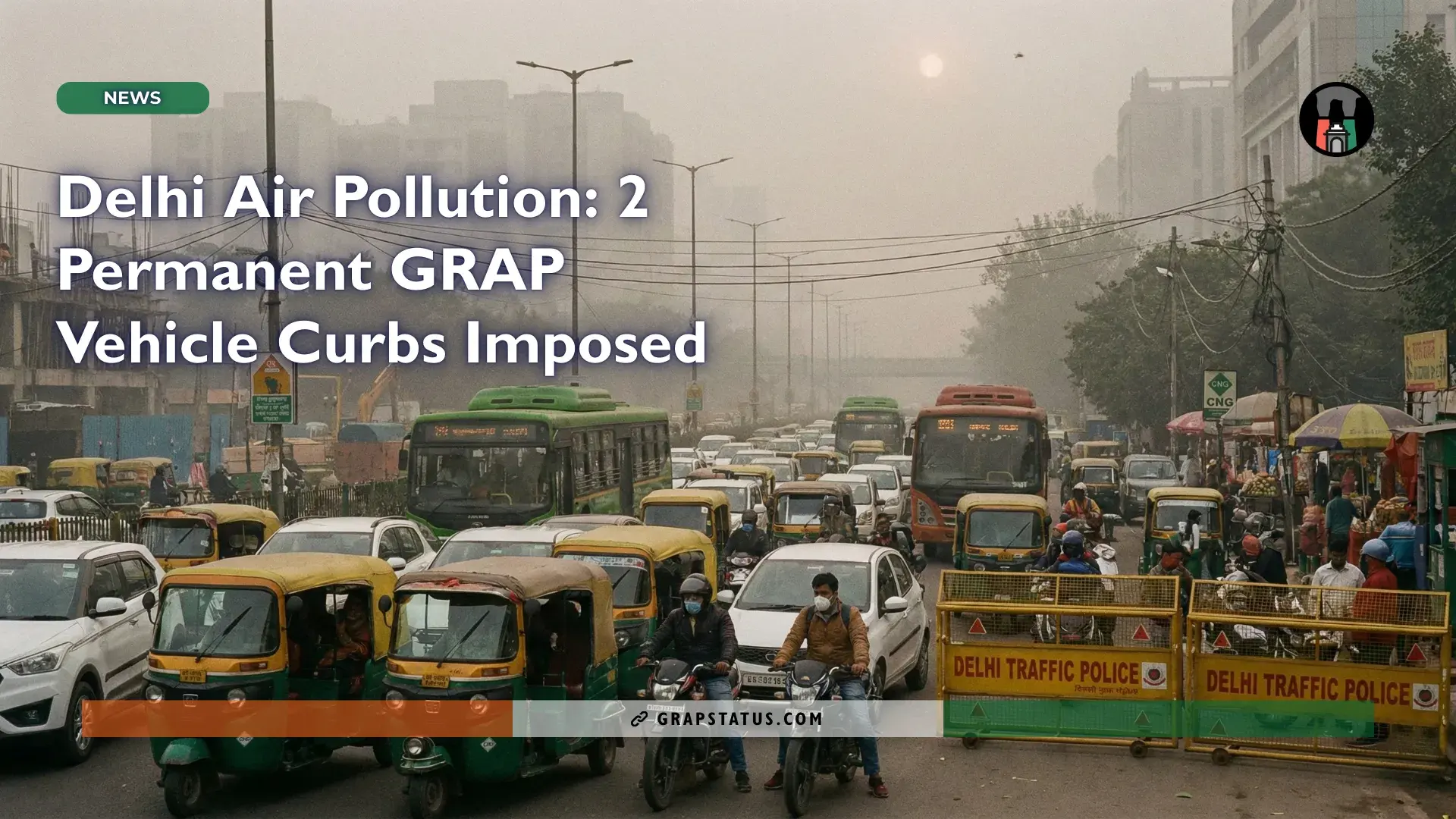
These hazardous conditions are clearly visible in the thick, ground-hugging smog that covers major landmarks and makes daily life difficult. This smog is fed by the continuous release of harmful particles from traffic, the burning of waste in the open, unregulated industries, and ongoing construction projects. Scientific studies have shown that while the “thick” smog that makes it hard to see is often linked to fine particles from rural crop burning, the real “toxicity” – the most harmful health impact – of Delhi’s air comes significantly from city sources. This includes the build-up of heavy metals and tiny, ultrafine particles released by urban transportation and industries. These particles are particularly dangerous because they can penetrate deep into our lungs and even enter our bloodstream.
Are Current Actions Enough to Tackle Delhi’s Smog?
Local authorities have tried various ways to fight this crisis. These often include what many critics call “cosmetic measures,” like occasionally sprinkling water on roads to settle dust, trying out cloud seeding experiments, or focusing efforts only around air quality monitoring stations.
However, environmental groups and public health organizations have repeatedly criticized these actions as simply not enough. They point out that without truly systemic solutions – that means tackling emissions right at their source – the city’s millions of residents will continue to breathe dangerously polluted air for long periods. What’s needed are stricter rules for clean burning of fuels, effectively stopping agricultural fires, shifting transport to cleaner options like electric vehicles, and tightly controlling industrial pollution.
Adding to the problem, colder nighttime temperatures and something called “meteorological inversions” prevent air from rising and mixing. This traps pollutants even more effectively near the ground, making the winter months particularly bad for air quality.
A Global Reminder: Interconnected Skies and Urgent Solutions
The unprecedented arrival of a volcanic ash plume all the way from Africa, even if its direct impact on our ground-level air is limited, serves as a powerful reminder. It shows us how everything in our global atmosphere is connected. This event compels Indian policymakers and scientists to think about air quality management not just as a local issue, but one with many factors, some even crossing continents.
While such international ash invasions are rare, they clearly highlight the urgent need for strong, scientifically sound, and well-coordinated strategies. Delhi needs these strategies to deal with its ongoing, chronic air pollution crisis, as well as to prepare for any new environmental threats that might emerge from near or far. Till then, be safe, stay at home, regularly check AQI before heading out and wear masks if you urgently need to head out.