Pollution Curbs Tighten: Big Blow to Restaurants, Know the New Rules and Regulations
Delhi’s authorities have introduced stringent pollution control regulations that directly impact restaurants and eateries across the National Capital Region (NCR). The Delhi Pollution Control Committee (DPCC) has officially banned the use of coal and firewood in all tandoors and cooking appliances in commercial kitchens such as hotels, restaurants, and open eateries. This ban mandates a […]
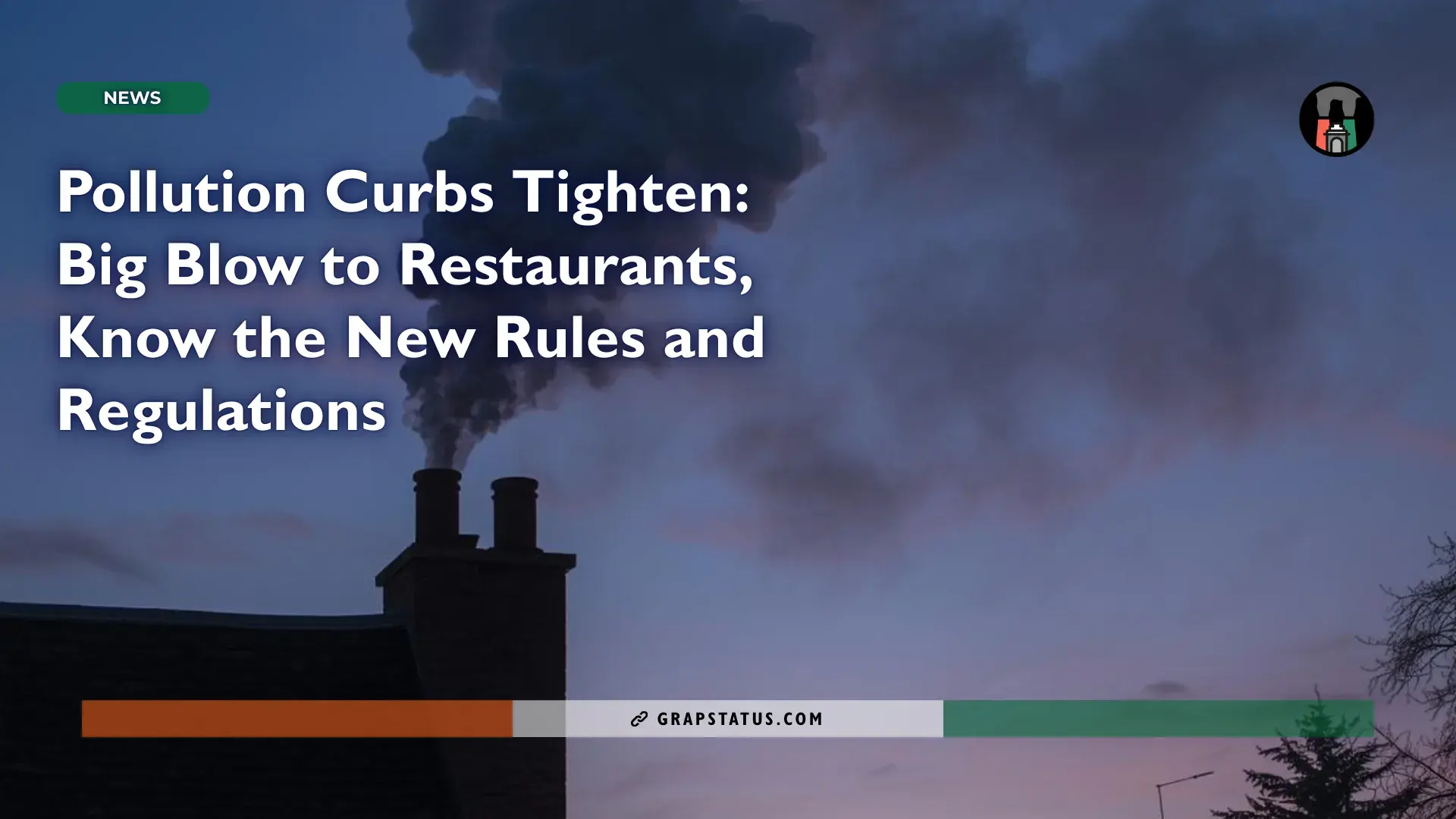
Delhi’s authorities have introduced stringent pollution control regulations that directly impact restaurants and eateries across the National Capital Region (NCR). The Delhi Pollution Control Committee (DPCC) has officially banned the use of coal and firewood in all tandoors and cooking appliances in commercial kitchens such as hotels, restaurants, and open eateries. This ban mandates a complete shift to electric, gas-based, or other clean fuel alternatives in order to curb harmful emissions that significantly contribute to the city’s poor air quality.
The ban has been enforced under Section 31(A) of the Air (Prevention and Control of Pollution) Act, 1981, reflecting the government’s ongoing commitment to tackling Delhi’s stubbornly high Air Quality Index (AQI) levels, frequently reported above safe prescribed standards. These measures fall under the Graded Response Action Plan (GRAP), a framework designed to implement step-wise pollution control measures during severe pollution episodes. The restriction on coal and firewood use is classified as a Stage-I action, indicating its priority status in cutting down particulate pollution from local neighbourhood kitchens.
Monitoring and enforcement responsibilities have been assigned to urban local bodies, including municipal commissioners and chief engineers, who are conducting surprise checks to ensure eateries comply immediately. Non-compliance might lead to strict penalties and closure directives, as the government seeks to enforce the ban without exception. The official communication has been widely circulated by speed post and email to all relevant departments to trigger prompt action.

How Do These Pollution Controls Impact Restaurant Operations in the Delhi Capital?
The prohibition on coal and firewood use in tandoors and other cooking devices represents a fundamental change for many restaurants that rely heavily on traditional fuel sources to prepare popular dishes, especially tandoori items. These fuel sources are known to produce smoky emissions laden with particulate matter that worsen local air pollution. Restaurants are now required to invest in and install electric or gas-operated tandoors and ovens, which are cleaner but may entail initial adaptations and financial costs for businesses.
Besides fuel restrictions, Delhi’s Chief Minister Rekha Gupta has urged hospitality venues to adopt innovative pollution reduction techniques such as mist spray and fogging systems installed on rooftops. These systems work by spraying fine mists that help settle airborne particulate matter, thereby improving air quality around the establishments while using significantly less water than traditional anti-smog guns. The government indicates support for the hospitality sector by considering amendments in regulations to ease financial burdens associated with these upgrades.
Moreover, in the wake of recent fire safety concerns highlighted by the tragic Goa nightclub incident, Delhi has intensified fire safety inspections for all hotels and restaurants. The Municipal Corporation of Delhi (MCD) and Delhi Fire Service (DFS) are conducting thorough checks to ensure these establishments comply with fire licenses and safety norms. This combined focus on environmental compliance and safety regulation adds layers of operational demands on restaurants.
What Other Measures Are Being Taken to Control Pollution in the Restaurant Sector?
- Strict monitoring of open cooking fuels and enforcing bans on coal and firewood under the Air Prevention Act.
- Promotion and incentivization of cleaner cooking fuels, such as electric and LPG-based appliances, to replace traditional methods.
- Encouraging the installation of mist-fogging systems to lower particulate matter around commercial areas, supported by government subsidies and regulatory amendments.
- Streamlining of fire NOC issuance through a single-window licensing system to reduce bureaucratic hurdles on restaurants while ensuring safety and environmental compliance.
- Data sharing between government departments including GST authorities, MCD, and DFS to improve coordination on licensing, inspections, and enforcement.
Why Are These Pollution Controls Critical for Delhi’s Environmental Health?
Delhi is defined as one of the world’s most polluted capitals, with persistent high AQI levels primarily caused by particulate matter (PM10 and PM2.5). According to the DPCC and the Commission for Air Quality Management (CAQM), coal-based cooking and open fuel burning are among the significant contributors to localised pollution hotspots. The new rules directly target these sources to achieve measurable air quality improvement as part of broader health and environmental goals.
Additionally, unregulated storage and transportation of construction materials such as sand, bricks, and cement, which generate fugitive dust, have been identified as crucial neighbourhood-level pollution contributors alongside commercial kitchen emissions. Addressing kitchen fuel use complements efforts aimed at dust control and helps reduce overall toxic air contaminants. If these regulations are effectively enforced, they might lead to notable public health benefits by lowering respiratory and cardiovascular disease risks associated with pollution exposure.
How Will These Pollution Controls Affect Restaurant Businesses and Consumers?
Restaurants might face increased operational costs initially due to the need to replace coal and wood-fired cooking setups with cleaner alternatives. However, these changes could spur innovation, pushing culinary businesses to adopt more sustainable technologies and improve indoor and outdoor air quality for their customers and employees.
For consumers, the transition could mean subtle changes in food preparation styles but ultimately offers the benefit of dining in environments that contribute less to Delhi’s hazardous air pollution levels. In the long term, cleaner air leads to healthier communities and reduces the burden on healthcare systems. For further insights on managing the impact of Delhi’s pollution on health, methods such as using best air purifiers for Delhi NCR pollution have become increasingly essential to ensure cleaner indoor air.
What About Broader Pollution Control Efforts in Delhi NCR?
Besides regulating restaurants, Delhi authorities are advancing multiple initiatives to combat environmental pollution. These include fines of up to Rs 5,000 for illegal open burning of waste, a significant source of seasonal haze, and the promotion of water-efficient mist spraying in high-rise buildings and public spaces.
The government is also focusing on better urban cleanliness, infrastructure modernization, and positioning Delhi as a sustainable tourism and business hub that aligns with the Prime Minister’s ‘Ease of Doing Business’ and green city visions.