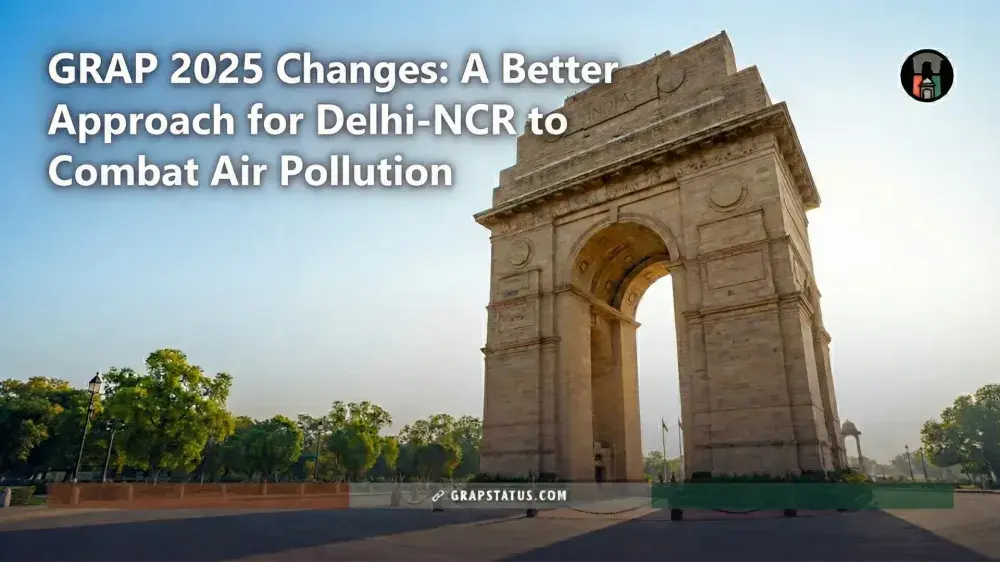
GRAP 2025 Changes: A Better Approach for Delhi-NCR to Combat Air Pollution
Delhi-NCR’s GRAP 2025 tightens air pollution rules, implementing stricter measures sooner. Protect health with faster action, anticipate daily life changes.
Delhi and the National Capital Region (NCR) face a tough fight against air pollution every year. For a long time, the Graded Response Action Plan (GRAP) has been our main tool to manage this challenge. It helps us deal with worsening air quality. But the fight is getting tougher, and so are our plans. In November 2025, the Commission for Air Quality Management (CAQM) made big changes to GRAP. These new rules make the plan much stricter. They also make sure anti-pollution measures start much sooner, even when air quality begins to dip.
This update means we will see stricter actions against pollution kick in faster than before. The aim is to stop pollution from reaching dangerous levels in the first place, rather than reacting only when things get severe. For you, this means earlier protection from bad air, but also potentially more sudden changes in daily life, like office or school schedules. The entire region, from government bodies to businesses and individual citizens, must now be ready to act quickly and decisively when the air quality starts to decline.
These changes are not just about making rules tougher. They are about using science to protect people’s health and to prevent major pollution events. The CAQM learned from past years. They saw that sometimes, our actions were too slow to keep up with how fast pollution got worse. Now, we are shifting to a more proactive approach. We want to stop the smog before it takes over our skies and harms our communities.
What is GRAP and How Does It Fight Pollution?
GRAP is a regulatory framework, which means it is a set of rules and actions designed to control and lessen air pollution in Delhi and NCR. It is a dynamic plan, meaning it changes based on how bad the air quality is right now. We use real-time Air Quality Index (AQI) readings and weather forecasts to decide when to trigger different stages of GRAP.
The AQI is a simple number that tells us how clean or polluted the air is. It combines measurements of several main air pollutants like tiny particles (PM2.5, PM10), nitrogen dioxide (NO₂), sulfur dioxide (SO₂), carbon monoxide (CO), and ozone (O₃). GRAP uses a four-stage, color-coded system. Each stage is linked to a higher AQI value, meaning worse air quality.
- Stage I (Poor): When the AQI is between 201 and 300.
- Stage II (Very Poor): When the AQI is between 301 and 400.
- Stage III (Severe): When the AQI is between 401 and 450.
- Stage IV (Severe+): When the AQI goes above 450.
In the past, each stage brought in tougher measures step by step. These actions included things like stopping construction work, banning diesel generators, closing brick kilns and stone crushers, managing how vehicles move, closing schools, and telling offices to have people work from home.

How Has GRAP Changed? The Big Shift in November 2025
The CAQM’s changes in November 2025 completely change when stricter actions begin. Now, we will see tougher steps at earlier stages of pollution. This means you will feel the impact of GRAP much sooner.
Stage I (Poor AQI 201–300): What’s New?
Before these changes, some measures were saved for Stage II. Now, they are enforced right at Stage I. This is a big step. You can expect to see:
- Uninterrupted Power Supply: Authorities must ensure everyone gets constant electricity. This helps stop people from using noisy and polluting diesel generators when the power goes out.
- Synchronizing Traffic: Traffic lights will be better coordinated to help traffic flow smoothly. This reduces how long cars idle, which cuts down on vehicle pollution.
- Deploying Personnel at Congestion Points: More traffic police and other staff will be placed at busy roads and intersections. They will help manage traffic jams and keep vehicles moving.
Stage II (Very Poor AQI 301–400): What Now?
Measures that were once only for Stage III now come into force at Stage II. This means when the air is “Very Poor,” you will notice significant changes:
- Restrictions on Public Events: Large public gatherings, concerts, and other events that attract many people might face limits or cancellations. This helps reduce crowds and related emissions.
- Increased Enforcement of Pollution Control Norms: Regulators will step up their checks on industries, vehicles, and other sources to ensure everyone follows pollution rules strictly.
- Staggered Work Timings in Public Offices: Public offices and city bodies in heavily polluted areas will have different start and end times for their employees. This helps spread out traffic during rush hours, cutting down on vehicle emissions.
Stage III (Severe AQI 401–450): What to Expect?
The most severe actions, which were previously reserved for Stage IV, now apply at Stage III. When the AQI reaches “Severe,” things get really serious:
- Reduction of Operational Capacities in Offices: Public, city, and private offices must cut down their staff working from the office to 50%.
- Mandatory Work-from-Home: The other 50% of employees must work from home. This drastically reduces the number of commuters on the roads.
- Central Government Work-from-Home: The central government can also ask its employees to work from home at this stage. This adds to the collective effort to reduce traffic and air pollution.
Why These Tougher Rules? The Science Behind the Changes
These earlier interventions are based on solid scientific reasons and lessons from the past. We are not just making rules; we are reacting to what the data tells us.
Protecting Your Health
Studies clearly show that even short periods of breathing “Very Poor” and “Severe” air can cause serious health problems. These include heart and lung issues, especially for those most at risk.
- Acute Cardiorespiratory Effects: Bad air quickly impacts your heart and lungs. You might feel shortness of breath or have a cough.
- Vulnerable Populations: Children, elderly people, and those with existing illnesses are more likely to get sick from polluted air. Acting early protects them from these immediate dangers.
Fighting Winter Smog
Certain weather patterns make air pollution much worse, especially during winter months.
- Meteorological Patterns: Low wind speeds mean pollution gets trapped close to the ground. Temperature inversion acts like a lid, holding pollutants in.
- Increased Emissions: More vehicles on the road and stubble burning in nearby regions add huge amounts of pollution to the air.
- Preemptive Action: By putting strict measures in place sooner, we can slow down the pollution buildup. This helps “flatten the pollution curve” and stops public health emergencies before they happen.
Learning from the Past
The CAQM also learned from how GRAP worked in previous years. Experts and stakeholders (like citizens, businesses, and government bodies) often found that our actions were too slow. Air quality could get very bad very quickly, and the old GRAP system just couldn’t keep up. By starting actions sooner, policymakers want to break this cycle. They aim to stop pollution from reaching very high levels by tackling it when it is still manageable.
What Does This Mean for You and Everyone Else?
These new changes demand quick, organized action from many different groups. Everyone has a role to play.
For Government Agencies
State and district administrations across the NCR must be ready to put these new rules into action very fast.
- Timely Information: Daily weather forecasts and real-time air quality data are now more important than ever. They trigger these new GRAP stages.
- Prompt Enforcement: You will see administrations needing to quickly enforce office closures, change how traffic is managed, and halt construction work. This will happen with much shorter notice.
For Businesses
Businesses, especially in construction, logistics, and manufacturing, will face operational cuts earlier than before.
- Earlier Curtailments: Your projects and operations might stop or slow down sooner.
- Forward Planning: Businesses need to plan ahead for their workers and work shifts. You must consider how these changes will affect your operations.
For Residents Like You
These new rules offer you earlier protection from bad air, which is good for your health. However, they also bring changes to your daily life.
- Earlier Protection: You benefit from measures that reduce your exposure to harmful pollutants sooner.
- Social and Economic Disruptions: You might face sudden school closures for your children or changes to your daily commute. You need to stay informed and be flexible.
A Call for Action
All agencies responsible for carrying out GRAP have clear instructions. They must watch the revised schedule closely and start their duties as soon as the AQI crosses a new threshold. Clear public messages and strict enforcement are vital for these measures to work effectively. We all need to understand what is happening and why.
A Bigger Picture: Changing How We Fight Pollution
The updated GRAP shows a big shift in how we manage air quality in our cities. It reflects a principle called the “precautionary principle.”
The Precautionary Principle
- Acting Early: This means taking tough steps to prevent harm even if there is still some scientific uncertainty. We act before things get truly terrible.
- Minimizing Exposure: The CAQM wants to reduce how much bad air people breathe. This also lessens the pressure on our healthcare system during pollution peaks.
- Global Alignment: This shift lines up with what other big cities around the world are doing. They are also using science-based, flexible plans that change dynamically with pollution levels and weather.
A Step Forward
The November 2025 changes to GRAP are a major turning point. They put into practice solutions based on evidence. They bring in staged actions at lower AQI levels, compelling everyone – government, businesses, and you, the citizen – to act quickly and consistently. Together, we can respond to worsening air quality in the NCR and work towards a cleaner, healthier future for all.